Why Are Your Friendships Still Struggling When Help Is Just One Skill Away?
You’ve been there—your friend messages you in crisis, and you freeze. You want to be there for them, but you don’t know what to say. It’s not about caring less; it’s about feeling unprepared. What if you could respond with confidence, empathy, and clarity—just like the kind of friend everyone leans on? The good news? That ability isn’t just for natural nurturers. With the right tools, anyone can build it. And online skill certification is quietly making that possible. This isn’t about becoming a therapist. It’s about becoming more present, more thoughtful, and more capable of showing up when it matters most. And yes, that skill can be learned—just like baking, budgeting, or using a new app.
The Moment That Changed Everything: When Words Failed Me
I still remember the text. It came in late at night—just three words: “I can’t breathe.” My best friend, Sarah, was having a panic attack after losing her job. I read it over and over, my fingers hovering above the keyboard. I wanted to say the right thing. I wanted to fix it. But all I could think was, “What if I make it worse?” So I sent back: “Hang in there. Things will get better.” Safe. Neutral. Utterly empty. The next morning, she called. Her voice was flat. “Thanks,” she said. “But I just needed someone to *get* it.” That moment stayed with me—not because I failed her, but because I realized I didn’t have the tools to help her, even though I loved her deeply.
For weeks after, I replayed the conversation. Was I cold? Distant? Did she think I didn’t care? The truth was, I cared more than I could say. But caring isn’t always enough. Without the right words, the right tone, the right timing, even the most loving intention can feel like silence. I started noticing it everywhere—friends venting after a fight with their spouse, a sister overwhelmed by parenting, a cousin grieving a loss. I wanted to comfort them, but I’d fall back on the same old phrases: “That sucks,” “You’ll be fine,” “Let me know if you need anything.” They weren’t bad things to say. But they weren’t helping either.
Then one day, I stumbled on a short online course titled *Supportive Communication in Tough Times*. It wasn’t flashy. No celebrity instructors. No promises of instant transformation. Just a practical, step-by-step guide on how to listen, validate, and respond with empathy. I clicked “Enroll” on a whim. Six weeks later, when another friend texted, “I think my marriage is falling apart,” I didn’t freeze. I paused. I took a breath. And I replied, “That sounds incredibly heavy. Do you want to talk about what’s happening?” She called me five minutes later. We talked for an hour. Afterward, she said, “I didn’t feel fixed. I just felt… seen.” That was the moment I realized: emotional presence isn’t magic. It’s a skill. And like any skill, it can be learned.
Friendships Aren’t Just Luck—They’re Built on Real Skills
We tend to think of close friendships as something that just… happens. You meet someone, you click, you stay close. But the truth is, lasting friendships aren’t built on chemistry alone. They’re built on consistent, thoughtful effort. And that effort relies on real, teachable skills—skills many of us were never taught. Think about it: we learn math, history, even typing in school. But when did anyone teach us how to respond when a friend shares bad news? Or how to hold space without trying to fix everything? Or how to know when to text back right away and when to wait?
One of the most important skills is active listening. It’s not just about staying quiet while someone talks. It’s about truly hearing what they’re saying—both the words and the emotion behind them. For example, if your friend says, “I’m so tired all the time,” an unskilled response might be, “You should sleep more.” That sounds helpful, but it dismisses the feeling. A skilled response would be, “It sounds like you’re carrying a lot right now. What’s been draining your energy?” That opens the door for deeper connection.
Another key skill is emotional validation. This means acknowledging someone’s feelings as real and understandable—even if you wouldn’t feel the same way. Saying “I get why you’d feel that way” or “That makes sense” can do more to strengthen a friendship than any piece of advice. Timing matters too. A quick “I hear you, and I’m here” text can mean more than a long message sent three days later. And then there’s emotional awareness—knowing your own triggers, so you don’t react out of frustration or defensiveness when a friend shares something hard.
These aren’t just “nice-to-have” qualities. They’re the foundation of trust. When a friend knows you’ll listen without judgment, respond with care, and respect their emotional rhythm, they start to feel safe with you. And safety is what turns casual friendships into lifelong bonds. The good news? These skills aren’t reserved for the naturally empathetic. They can be practiced. They can be improved. And today, they can be learned—through structured, accessible online courses that fit into real life.
How Online Certifications Are Quietly Revolutionizing Personal Growth
When we think of online learning, we often picture coding bootcamps or graphic design courses. But over the past few years, something quieter but just as powerful has been growing: online certifications in emotional intelligence, communication, and peer support. These aren’t theoretical programs filled with jargon. They’re practical, user-friendly courses designed for real people with busy lives—like parents, caregivers, and professionals who want to show up better for the people they love.
What makes these certifications different is their structure. Unlike reading a self-help book or watching a motivational video, a certification program guides you step by step. You don’t just absorb ideas—you practice them. You might record a role-play response to a friend’s crisis message. You might analyze a real conversation you had and identify where you could have listened more deeply. You get feedback. You build confidence. And at the end, you earn a credential that says, “I’ve put in the work.” That might sound small, but for many, it’s a powerful motivator.
Take the *Certified Peer Support Specialist* training offered by several community health organizations. It’s designed to help people support others through mental health challenges—not as therapists, but as compassionate, trained listeners. Or consider courses like *Empathetic Communication* on platforms like Coursera or edX, developed by psychologists and relationship experts. These aren’t about becoming an expert. They’re about gaining practical tools you can use the next time your sister calls in tears or your friend shares a difficult decision.
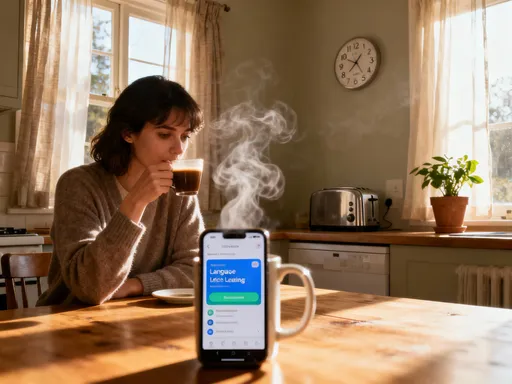
And the best part? You can do it on your own time, from your kitchen table. No need to drive to a campus or sit in a classroom. Many courses take just a few hours a week. Some are free. Others cost less than a weekend outing. You don’t have to tell anyone you’re taking one. It’s private. It’s low-pressure. But the impact? That’s anything but small. One woman I spoke with, a mom of two in Ohio, said, “I took a six-week course on active listening. My husband noticed the difference before I even told him I was learning anything. He said, ‘You’re really hearing me now.’” That’s the quiet revolution—technology helping us become more human, not less.
From Panic to Presence: Learning to Respond, Not React
Before I took my first course, I didn’t realize how much I was *reacting* instead of *responding*. When a friend shared something hard, my brain would go into problem-solving mode: “How do I fix this?” Or worse, I’d panic and say nothing at all. I wasn’t being cold—I was just untrained. The course I took focused on one simple shift: pause before you reply. That pause—just two seconds—creates space to choose your words instead of blurting out the first thing that comes to mind.
One of the first exercises was learning the “validate, then ask” method. Instead of jumping in with advice or a similar story from my life, I practiced saying things like, “That sounds really tough. What’s been on your mind since it happened?” This small change transformed my conversations. I stopped trying to fix and started connecting. I remember when my cousin told me she was struggling with postpartum anxiety. My old self would’ve said, “You’ll adjust. It gets easier.” My new self said, “I can’t imagine how overwhelming that must feel. What’s been the hardest part for you?” She started crying—then talking. For the first time, she said she didn’t feel alone.
The course also taught me about emotional tone in digital communication. A text can feel cold even if the words are kind. So I learned to add warmth: using the person’s name, adding a gentle emoji (like a soft heart or a listening ear), or starting with, “I’ve been thinking about what you shared.” These aren’t tricks. They’re small signals that say, “I care, and I’m present.” Over time, these responses became automatic. I wasn’t faking empathy—I was building it, muscle by muscle, like strength training for the heart.
And here’s what surprised me most: the more I practiced, the more my friends opened up. It wasn’t because I had all the answers. It was because they felt safe. They knew I wouldn’t judge. I wouldn’t minimize. I wouldn’t disappear. That trust didn’t happen overnight. But it grew—one thoughtful reply at a time.
The Ripple Effect: How One Skill Strengthens All Your Relationships
Here’s the beautiful thing about learning how to respond with empathy: it doesn’t just improve one friendship. It changes how you show up in *all* your relationships. My improved listening didn’t just help me support my friends better—it made me a better daughter, a better sister, a better co-worker. When my mom called to vent about her aging dog, I didn’t rush to solutions. I said, “You’re really grieving already, aren’t you?” She paused. Then she said, “Yes. I didn’t even realize I was.” That moment deepened our connection in a way ten years of small talk never had.
At work, I started using the same skills in team meetings. Instead of interrupting to share my idea, I’d say, “I hear what you’re saying. Can I build on that?” People responded differently. They listened more. They trusted me more. One colleague told me, “You have a way of making people feel understood.” I smiled. I knew where that skill came from.
And with my own children? Huge difference. When my daughter came home upset because she felt left out at school, my first instinct used to be, “Just be kind. The right friends will come.” Now I say, “That really hurts, doesn’t it? I’d feel sad too.” She looks at me, surprised. Then she talks. And talks. And talks. She’s not looking for a fix. She’s looking for someone who gets it. That’s the power of emotional safety—it turns silence into conversation, distance into closeness.
One of the most meaningful moments came when a friend going through a divorce told me, “You’re the first person I call now. Not because you’ll have answers, but because I know you’ll *get* it.” That’s the ripple effect. One skill—learning how to respond with presence—creates waves of trust, connection, and belonging. And those waves don’t stop. They spread.
Making It Real: How to Start Without Overwhelm
I know what you might be thinking: “I don’t have time for another thing.” Or, “I’m not broken. Why do I need a course?” First, let me say this: wanting to grow doesn’t mean you’re failing. It means you care. And these courses aren’t about fixing yourself. They’re about giving yourself tools you were never taught. The good news? You don’t need to quit your job or spend months studying. You can start small.
Look for courses focused on communication, emotional intelligence, or peer support. Many are self-paced, so you can do 20 minutes a day while your coffee cools. Some are free. For example, Coursera offers a course called *Active Listening* from the University of Colorado. Yale’s *The Science of Well-Being* includes modules on social connection. Or search for “certified peer support training” through mental health nonprofits—many offer low-cost or sliding-scale options.
Don’t worry about finishing fast. Focus on practice. Try one new response technique each week. Maybe this week, you’ll work on pausing before replying. Next week, you’ll practice validation: “That makes sense.” The goal isn’t perfection. It’s progress. And remember, you’re not doing this alone. Thousands of people—mothers, fathers, sisters, friends—are quietly taking these courses, not for a job, but for their relationships.
If cost is a concern, many organizations offer scholarships or free access. Some local community centers even host in-person versions. And if privacy matters to you, take the course on a personal device, under a nickname if you’d like. This is *your* journey. No announcements. No pressure. Just you, showing up for the people you love—starting with yourself.
You’re Not Just Learning a Skill—You’re Becoming the Friend You’ve Always Wanted
At the end of the day, this isn’t about earning a certificate. It’s about becoming the kind of person others feel safe with. It’s about knowing that when someone reaches out in pain, you won’t freeze. You’ll respond with warmth, with care, with presence. That’s not something you’re born with. It’s something you build—through learning, practice, and intention.
Technology often gets blamed for making us more distant. But used wisely, it can do the opposite. It can give us the tools to connect more deeply, to listen more fully, to love more skillfully. An online course on empathetic communication isn’t cold or robotic. It’s one of the most human things you can do.
So if you’ve ever wished you knew what to say—if you’ve ever felt helpless when someone you love was hurting—know this: help is available. You don’t have to have all the answers. You just have to be willing to learn. And when you do, you become more than a friend. You become a harbor. A safe place. The person others turn to when the world feels heavy.
Because everyone deserves a friend like that. And with one small step—just one course, one skill, one pause before replying—you can become that person. Not perfect. Just present. And that, more than anything, is what changes lives.