Tired of holiday meals derailing your diet? A family note app kept us on track together
We’ve all been there—excited for holiday gatherings, only to feel sluggish and stressed after overeating, with no idea who brought which dish or whether it fits our diet. This year, I finally found a simple solution: using a family note app to plan meals, share recipes, and support each other’s health goals. It wasn’t just about eating better—it brought us closer, reduced guilt, and made celebrations more joyful. Let me show you how this small tech shift made a big difference.
The Holiday Diet Struggle: When Joy Turns into Guilt
Remember that moment at last year’s holiday dinner when you looked down at your plate and thought, How did I end up with three helpings of stuffing and a slice of pecan pie when I promised myself I’d do better this time? You're not alone. So many of us go into the season with good intentions—maybe we’ve been walking more, drinking more water, or trying to eat more vegetables—and then one festive meal throws it all off track. The problem isn’t just the food. It’s the chaos, the pressure, the lack of clarity. You want to enjoy time with family, but you also don’t want to spend the next week feeling bloated, guilty, or out of control.
And it’s not just about willpower. Think about how hard it is to make mindful choices when you're faced with a table full of dishes you didn’t prepare. You smile and say yes to everything because you don’t want to offend Aunt Linda, who spent hours on her famous sweet potato casserole—even though you know it’s loaded with brown sugar and marshmallows. You take a small scoop, then another, because everyone else is doing it, and before you know it, your “one treat” has turned into a full day of indulgence. The next morning, you’re back to square one, vowing to “start fresh tomorrow,” again.
What makes this cycle so frustrating is that the holidays are supposed to be joyful. They’re about connection, love, and tradition. But for so many of us, they also come with a hidden emotional tax: the stress of trying to balance celebration with self-care. You love your family, but you also feel torn between fitting in and staying true to your goals. You want to be present, but your mind keeps circling back to the scale, the tightness of your jeans, or the energy crash you know is coming. That tension—between belonging and being healthy—can leave you feeling isolated, even in a room full of people.
I used to think the only way out was to either fully give in or completely opt out. Either go all-in on the feasting and deal with the aftermath, or skip the desserts, avoid the carbs, and feel like the “difficult one” at the table. But this year, something changed. I realized I didn’t have to choose between joy and health. I just needed a better system—one that let me participate fully while still honoring my body and my goals. And it all started with a simple tool I already had on my phone.
Discovering the App: A Simple Tool with Unexpected Benefits
It wasn’t some fancy new wellness app or a complicated meal-tracking program. It was just the family note app we’ve used for years to share grocery lists, remind each other about dentist appointments, and post cute photos of the dog. One evening, while scrolling through our shared board to check if anyone had picked up dish soap, I saw something new: my sister had added a note that said, “Bringing my new vegan pumpkin bars—low sugar, gluten-free, and everyone loved them at book club!” She even attached a photo of the golden-brown squares on a white plate, dusted with powdered erythritol.
Suddenly, it clicked. What if we used this space not just for chores and updates, but to support each other’s health goals during the holidays? What if, instead of walking into a meal blind, we could see ahead of time who was bringing what—and whether it aligned with our needs? No more guessing, no more awkward questions, no more accidental sugar bombs. Just clarity, care, and a little bit of planning.
The next day, I created a new section on our family board called “Holiday Meal Plan 2024.” I added a few ideas—roast turkey, garlic green beans, a quinoa stuffing alternative—and tagged them with simple labels like “low-sodium” and “diabetic-friendly.” Then I invited everyone to contribute. My mom asked if she could bring her famous cranberry relish, but wanted to know if we’d prefer a version with less sugar. My nephew, who’s been cutting back on dairy, suggested a cashew-based cheesecake. And my cousin, who’s training for a 5K, posted a link to a high-protein side dish she found online.
What surprised me most wasn’t just the healthy swaps—it was the tone of the conversation. There were no arguments, no judgments, no passive-aggressive comments about “who’s being too strict.” Instead, there was curiosity. Support. Even excitement. My brother joked, “If we’re doing healthy desserts, can we still have whipped cream?” and someone replied, “Yes, but let’s make it coconut whipped cream—just as creamy, half the guilt.” We were still us—still laughing, still loving food—but now we were doing it with more awareness, more intention, and more care for each other.
The app didn’t change who we were. It just gave us a better way to show up for each other. And that made all the difference.
Planning Together: How We Organized Our Healthiest Holiday Yet
Once we had the board set up, the real magic began. Instead of one person—usually me or my mom—doing all the planning, we were all in it together. We used the app to build the menu as a team, assigning dishes based on who wanted to cook what, who had dietary needs, and who just really loved making pie. The app let us add notes to each dish, like “Uses olive oil instead of butter” or “Sweetened with maple syrup—great for diabetics!” We even started using emojis to make it fun: a green leaf for plant-based dishes, a heart for “everyone’s favorite,” and a warning sign for anything with nuts, since my niece has an allergy.
What made this work so well was the shared ownership. No one felt singled out or pressured. If someone wanted to bring a classic, less-healthy version of a dish—like my aunt’s buttery mashed potatoes—we didn’t shut her down. Instead, we suggested she bring a smaller portion and pair it with a lighter option, like roasted sweet potatoes with cinnamon and a touch of coconut oil. The app let us have those conversations gently, in writing, without the tension of a face-to-face discussion. I could write, “Love your mashed potatoes—can we do half the butter this year?” and she could respond with a laughing emoji and a “Deal!”—no hard feelings, just collaboration.
We also used the app to track ingredients and prep timelines. My sister added a checklist for her gluten-free rolls: “Flour blend ordered,” “Yeast in pantry,” “Bake day: Thursday at 10 a.m.” My nephew posted a photo of his cashew cheesecake in the fridge with the caption, “Chilling overnight—no one peek!” It turned meal prep into a shared journey, not a last-minute scramble. And because everything was visible to everyone, there was less double-dipping on dishes—no more three people showing up with green bean casserole and no one bringing salad.
But the biggest shift was emotional. For years, I’ve carried the invisible weight of being the “food police” in the family—trying to eat well while everyone else indulged, feeling like I had to apologize for my choices. This year, that weight lifted. Because we were all participating, I didn’t feel like the odd one out. I wasn’t resisting the celebration; I was helping shape it. And that made it easier to stay on track, not because I was being “good,” but because I was part of something bigger—a family effort to celebrate in a way that honored everyone.
Eating with Awareness: Real-Time Support During Meals
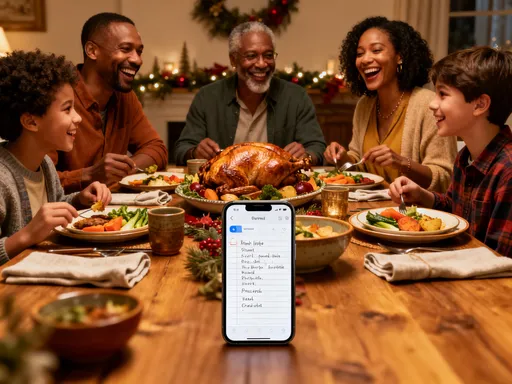
The app didn’t stop working once the meal began. In fact, some of the most powerful moments happened during dinner. As we sat around the table, passing dishes and sharing stories, I noticed my sister quietly opening the app on her phone. She took a photo of her plate—turkey, quinoa stuffing, roasted carrots, and a small slice of the vegan pumpkin bar—and posted it with the caption, “Feeling proud of my choices today. So grateful for this family.”
Within minutes, hearts and smiley faces filled the thread. My mom wrote, “You look so happy!” My cousin added, “You inspired me to skip the second roll.” That small act—a photo, a few words—created a ripple of encouragement. It wasn’t about showing off or seeking approval. It was about being seen, supported, and reminded that you’re not alone in wanting to feel your best, even during the holidays.
Others joined in. My nephew sent a voice note mid-meal: “Just had my first bite of the cheesecake—so good, and I don’t feel guilty at all.” My brother, who’s been trying to cut back on alcohol, posted, “Sticking with sparkling water and lime—feels great.” These little digital check-ins didn’t distract from the moment; they deepened it. They turned private struggles into shared victories. And they replaced the old cycle of guilt with a new one: awareness, celebration, and connection.
Even the way we served ourselves changed. Instead of piling our plates high out of habit, we paused. We looked at the dishes, remembered the labels on the app, and made choices with intention. “I’ll try the sweet potatoes instead of the mashed,” someone said. “I’ve been wanting to taste the cranberry relish with less sugar.” There was no shame, no pressure—just mindfulness. And because we could see each other’s choices, we naturally influenced one another in positive ways. It wasn’t peer pressure; it was peer support.
And when someone did choose the “less healthy” option—like my aunt with her full-butter mashed potatoes—that was okay too. The app didn’t create rules; it created understanding. We celebrated her joy in her cooking, and she respected our choices. The difference was that now, we were all making informed decisions, not just reacting to tradition or emotion.
Beyond Diet: Strengthening Family Bonds Through Shared Goals
What I didn’t expect was how much closer we’d feel. The app wasn’t just about food. It became a space where we shared more of our lives. My cousin started posting updates about her 5K training. My nephew shared a photo of his meal prep containers for the week. My mom began asking questions like, “What does ‘low-glycemic’ mean?” and we’d explain in simple terms, with links to easy recipes. The board turned into a living record of our care for each other—not just what we ate, but how we wanted to live.
Conversations at dinner shifted too. Instead of rehashing old gossip or complaining about the weather, we talked about our goals. “How’s the new walking routine going?” “Did you try that yoga video I sent?” “What’s one thing you’re proud of this week?” It felt lighter, more meaningful. Even the kids got involved—my niece started a “water challenge” where she tried to drink eight glasses a day, and we all cheered her on in the app.
What surprised me most was how the older generations embraced it. My dad, who once said, “If it tastes good, eat it,” started asking about ingredient swaps. My aunt, who’s in her 70s, said, “I never thought about how sugar affects energy. Maybe I’ll try reducing it a little.” These weren’t forced changes. They were organic, inspired by seeing the rest of us make small, sustainable shifts. The app didn’t divide us by age or health status; it united us around a shared value: wanting to feel good, for as long as possible, so we can enjoy more moments together.
And that’s when I realized: this wasn’t just a tool for healthier eating. It was a tool for deeper connection. By supporting each other’s well-being, we were saying, “I see you. I care about you. I want you to feel your best.” And that kind of message—delivered through a simple note, a tagged dish, or a heart emoji—can strengthen relationships in ways we never expected.
Making It Work for You: A Simple Guide to Start
You don’t need a perfect system or a tech background to try this. Here’s how we did it, step by step. First, choose a family note app that lets you create shared boards, add photos, and comment in real time. Look for one that’s easy to use and already familiar to most family members—no need to learn something new under holiday stress. Then, create a dedicated space for your holiday meal planning. Give it a warm, inviting name like “Our Cozy Holiday Table” or “2024 Feast Plan.”
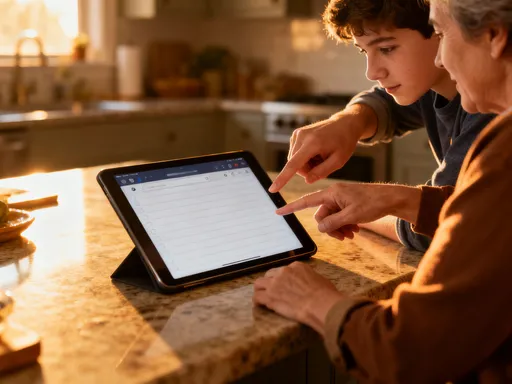
Next, invite your family with a friendly message. You could say, “Hey everyone! Let’s plan this year’s meal together—would love your ideas and favorite dishes. Let’s make it delicious and feel-good for all of us.” Keep the tone light and inclusive. If someone isn’t tech-savvy, offer to help them join or assign a “note taker” in the family to post on their behalf.
Start early—ideally four to six weeks before the holiday. That gives everyone time to plan, shop, and adjust recipes. Create a list of dishes you’d like to see, and ask each person to claim one or two. Encourage everyone to add notes about ingredients, dietary tags, and prep tips. Use simple labels like “low-sugar,” “dairy-free,” “high-protein,” or “kid-approved.” Emojis can make it fun and visual—a sun for bright, fresh dishes, a fire for spicy ones, a snowflake for make-ahead meals.
Set a few gentle norms. For example: “No judgment on choices—everyone’s journey is different,” or “Let’s focus on progress, not perfection.” And remember, it’s okay if not everyone participates fully. Even if just a few people engage, it still helps reduce confusion and supports those trying to eat mindfully. The goal isn’t to turn the holiday into a diet boot camp. It’s to create a space where everyone feels seen, included, and supported—no matter what’s on their plate.
A New Kind of Holiday Memory: Health, Harmony, and Hope
Looking back, I realize the app didn’t just help us eat better. It helped us connect better. It gave us a shared language for care, a way to show up for each other without words. That photo of my sister’s plate, the voice note from my nephew, the recipe swap between cousins—it all added up to something bigger than any single meal. It became part of our family story. A digital scrapbook of support, intention, and love.
The holidays will always involve food. And there will always be moments of indulgence—that’s part of the joy. But now, we have a way to honor both the tradition and the truth: that we want to feel good, not just during the meal, but in the days and weeks that follow. We’ve created a new rhythm—one where health isn’t the enemy of celebration, but a part of it.
And maybe, just maybe, this small shift will ripple into other parts of our lives. Maybe we’ll use the app to plan spring garden projects, share summer recipes, or check in during tough weeks. Because what we’ve really built isn’t just a meal plan. We’ve built a culture of care. One note, one dish, one heart emoji at a time.
So if you’ve ever felt torn between enjoying the holidays and staying true to your goals, I want you to know: you don’t have to choose. With a little help from technology—and a lot of heart—you can have both. Healthier meals, happier moments, and deeper connections. That’s the kind of holiday memory worth keeping.