It’s Not Just Clean Air: How Smart Purifiers Helped Our Household Breathe Easier—Together
Living in a bustling city, I used to dread opening the windows. Between pollen, traffic fumes, and seasonal allergies, every breath felt like a gamble. Then came the smart air purifier—quiet, unobtrusive, and surprisingly thoughtful. It didn’t just clean the air; it changed how my family coordinated our days. From my mom’s morning yoga to my sister’s asthma triggers, this small device became a silent teammate in our shared life. That’s when I realized: better air isn’t just about filters. It’s about harmony.
The Invisible Problem We All Ignore
Have you ever walked into a room and just… felt off? Not sick, not tired—just a little heavy in the chest, maybe a tickle in the throat, or eyes that water for no reason? That was our living room every spring. My niece would wake up sneezing, my mom would sigh and wipe the same shelf for the third time that week, and someone—usually my brother—would mutter, “Feels stuffy in here,” before slamming the windows shut. We didn’t realize it then, but we were all reacting to the same invisible thing: the air inside our home.
Indoor air pollution isn’t something we talk about much, especially in homes that look clean and smell fine. But the truth is, the air inside can be two to five times more polluted than outside air, according to the U.S. Environmental Protection Agency. Dust mites, pet dander, cooking fumes, mold spores, and even chemicals from cleaning products circulate quietly, settling on surfaces and floating in the air we breathe all day. For someone with allergies or asthma, that means constant discomfort. For the rest of us, it’s a low hum of irritation—like a song stuck in your head, but in your lungs.
I remember one Sunday morning when my sister had to cut her yoga session short because her chest tightened. She wasn’t having an attack, but she said the air “felt thick.” That’s when it hit me: we were all just adapting, silently, to an environment that wasn’t serving us. We weren’t arguing about chores or schedules—we were struggling with something we couldn’t see. And no amount of vacuuming or air freshener was fixing it. That’s when I started looking for a real solution, not just another cleaning hack.
From Solo Fix to Shared Solution
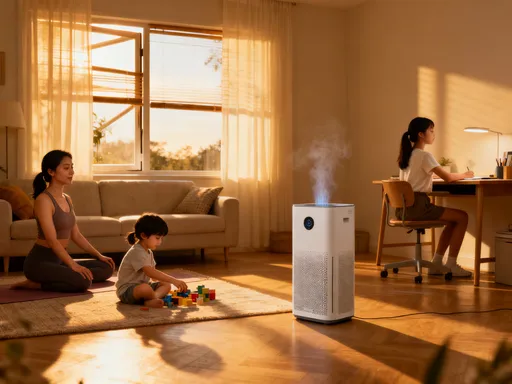
At first, I bought the smart air purifier for myself. I read the reviews, compared models, and picked one that could track air quality in real time. I set it up in the living room, near the couch where we all gather. Honestly, I didn’t expect much—just maybe fewer sneezes, a little less dust. But within days, things started shifting in ways I didn’t anticipate.
My younger brother, who used to wake up rubbing his eyes every morning, walked into the kitchen one day and said, “Did you guys do something different? My eyes don’t feel itchy today.” Then my mom noticed she wasn’t coughing as much during her morning tea. My sister started leaving her bedroom door open—something she hadn’t done in years because of her sensitivity. The purifier wasn’t loud or flashy. It didn’t demand attention. But slowly, it became part of our rhythm.
What surprised me most was how it changed our conversations. Instead of guessing why someone felt off, we started checking the app. “Hey, the air quality dropped—did someone cook eggs?” or “PM2.5 is high today, maybe keep the windows closed.” It wasn’t about blaming anyone. It was about having shared information. We weren’t just living under the same roof—we were finally noticing the same invisible things. And that small shift made us feel more connected, like we were all on the same team.
Even my roommate, who used to roll her eyes at anything “techy,” started using the app to plan her workouts. “If the air’s good by 6 p.m., I’ll do my yoga flow in the living room,” she’d say. It wasn’t just about health. It was about trust—trusting that the air around us was safe, clean, and stable. That peace of mind was worth more than I expected.
How the Tech Quietly Fits In (Without Taking Over)
I’ll be honest—I was worried the purifier would turn into another gadget I had to manage. Another app to check, another notification to ignore. But the truth is, it’s been the opposite. It works quietly, like a good housemate who just… handles things. It senses when the air changes—maybe from cooking, or someone using hairspray—and automatically adjusts the fan speed. It doesn’t wait for me to tell it what to do.
Think of it like a thermostat, but for freshness. You don’t have to stand in front of the AC all day tweaking the temperature. The thermostat does it for you, based on what it senses. This purifier does the same with air quality. It uses sensors to measure particles, humidity, and even odors, then responds in real time. And when it needs attention—like a filter change—it sends a gentle alert. Not a loud beep, not a flashing red light—just a soft notification in the app. I appreciate that. It respects my time and space.
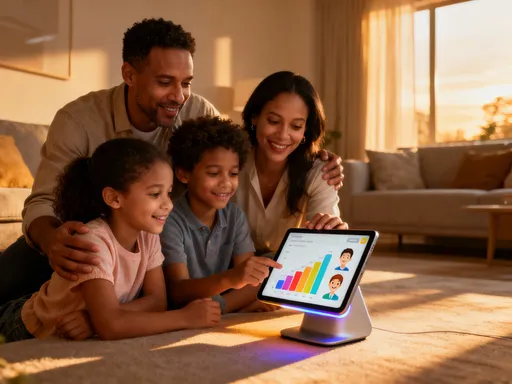
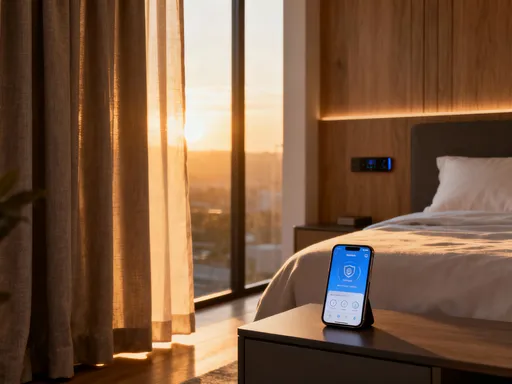
The app itself is simple. No confusing charts or technical jargon. Just a color-coded circle: green for good, yellow for moderate, red for poor. My mom, who’s not big on technology, learned how to check it in two minutes. “Green means we’re okay, red means close the windows,” she said. That’s all she needed to know. And because we all have access, anyone in the house can check it—no gatekeeping, no confusion.
One of my favorite features is the sleep mode. At night, the purifier dims its lights and runs almost silently. I used to worry about noise disturbing my niece’s sleep, but now it’s quieter than the hum of the refrigerator. And because it learns our patterns—like when we usually go to bed—it starts ramping up cleaning in the evening, so the air is fresh by morning. It’s not magic. It’s just thoughtful design.
Coordinating Lives, One Breath at a Time
Living with others means constant small negotiations. Who gets the window open? When do we vacuum? Should we hang laundry inside on a rainy day? These seem minor, but they add up. Before the purifier, these decisions were emotional. “You always want the window open!” or “Why do you dry clothes in the house? It makes everything damp!” Now, we have data to guide us.
For example, when it rains, my sister used to get upset when we dried laundry indoors because she said the air felt heavy. Instead of arguing, we check the app. If humidity is rising and air quality is dropping, we’ll run the dehumidifier or use the balcony, even if it’s wet. If the purifier shows the air is still within a good range, we know it’s safe to dry clothes inside. It takes the blame out of the conversation. We’re not fighting each other—we’re responding to the environment.
The purifier also helped us create zones. We have one unit in the living room and another in the nursery for my newborn nephew. Through the app, we can set different modes for each room. The nursery runs on gentle, continuous cleaning, while the living room adjusts based on activity. When we have guests, we can turn up the power remotely before they arrive. It’s not about perfection. It’s about flexibility—about making choices that respect everyone’s needs.
Even my dad, who used to say, “We didn’t need this stuff when I was young,” now checks the air quality on his phone. “Green today,” he’ll announce at breakfast. It’s become a small ritual, like checking the weather. And in a way, it is the weather—our indoor weather. We’ve learned to plan around it, protect against it, and appreciate it when it’s good. That shared awareness has brought a quiet kind of harmony to our home.
Real Gains Beyond Clean Air
The benefits go far beyond fewer sneezes. I’ve noticed deeper sleep—no more waking up with a dry throat or stuffy nose. My sister says she can focus better when studying, and she’s had fewer asthma flare-ups this year. My mom naps more easily in the living room now, and my niece hasn’t missed a day of school due to allergies since we got the purifier.
But the biggest change is emotional. There’s less tension in the house. We’re not constantly reacting to discomfort. We’re not blaming each other for how the air feels. Instead, we feel supported—by each other, and by this quiet device that’s always working in the background. It’s like having a safety net we didn’t know we needed.
One evening, my grandmother visited and sat in the living room for over an hour—something she hadn’t done in years because the air used to bother her. “It feels so light in here,” she said. “Like I can finally breathe.” That moment hit me. This isn’t just about technology. It’s about dignity, comfort, and care. It’s about creating a home where everyone can feel their best, no matter their age or health.
And it’s not just physical. When your body feels better, your mind follows. We laugh more. We argue less. We’re more patient with each other. That might sound too simple, but I believe it’s true: when the air is good, everything else feels a little easier.
Making It Work for Your Home (Simple Steps)
If you’re thinking about trying a smart air purifier, I’ll be real—it’s not a one-size-fits-all solution. But it can work beautifully if you approach it with your household in mind. Here’s what helped us get the most out of it, without stress or pressure.
First, placement matters. We put ours in the center of the living room, away from walls and furniture, so air can circulate freely. Avoid corners or behind couches—those spots trap airflow. If you have multiple rooms, consider where you spend the most time. For us, the living room and nursery were priorities.
Next, set up family access. Most apps let you share control with multiple users. We added everyone over 16, so no one feels left out. It’s not about surveillance—it’s about teamwork. When my sister sees the air quality dip, she might close the window without being asked. That kind of initiative builds trust.
Don’t obsess over the numbers. At first, I checked the app constantly, worried if the color shifted from green to yellow. But air quality changes naturally—cooking, walking on carpets, even opening a door can cause a temporary spike. The purifier handles it. You don’t need to micromanage. Think of it like checking your car’s oil—important, but not urgent every hour.
Create simple routines. We set the purifier to quiet mode at 9 p.m. and boost cleaning in the morning. You can schedule this in the app—no daily effort needed. And when we know it’s high pollen season, we keep the windows closed and let the purifier do the work. Small habits, big impact.
Finally, talk about it. Not in a technical way, but in a “Hey, the air’s good today—let’s open the windows!” kind of way. Make it part of your home’s rhythm. One morning, my nephew pointed at the app and said, “Green! We can play!” That made my heart smile. He didn’t see a machine. He saw permission to breathe freely.
Breathing Together, Living Better
Looking back, I never thought a small machine in the corner could change so much. It didn’t fix everything—of course not. But it removed a layer of daily stress we didn’t even know we were carrying. It gave us something simple yet profound: the ability to breathe without thinking about it.
In a world that feels increasingly loud and overwhelming, sometimes the most powerful tools are the quiet ones. The ones that don’t demand attention but earn trust. The smart air purifier didn’t just clean our air—it helped us move through our days with more ease, more patience, and more presence. It became a symbol of care, not because it’s flashy, but because it’s consistent.
It reminded us that harmony isn’t about grand gestures. It’s in the small things—like knowing your sister can do her yoga without coughing, or your mom can nap in the sun without sneezing. It’s about creating a home where everyone feels safe, seen, and supported, down to the very air they breathe.
So if you’re wondering whether something like this could help your household, I’d say: consider not just the air, but the life around it. Because when we breathe easier, we live better. And when we live better—together—we build something deeper than comfort. We build connection. And that, I’ve learned, is the quietest kind of magic.