After securing my smart home data, this curtain routine made my mornings effortless
Have you ever left for work and wondered if you closed the living room curtains—or worse, if someone could access your home schedule? I used to stress daily. Then I found a simple curtain automation system that doesn’t just open at sunrise—it adapts to my commute, protects my privacy, and keeps my data locked down. It’s not magic; it’s smart tech that finally feels safe and personal.
The Morning Rush and the Little Thing I Always Forgot
We’ve all been there—running out the door, coffee in hand, only to double back because we forgot to close the living room curtains. That extra five minutes wasted turning around could’ve been spent sipping tea, reading the news, or just breathing before the day began. For years, I treated it as a minor annoyance, one of those tiny things we just live with. But over time, I started noticing a pattern: every time I forgot, I felt a little more frazzled. Not just because of the time loss, but because of the worry. Were my windows signaling that no one was home? Could someone see inside while I was at work? That small oversight began to weigh on me in ways I hadn’t expected.
My home is my sanctuary. It’s where I recharge, where I laugh with my kids, where I curl up with a book after a long day. So the idea that something as simple as open curtains could make it feel less safe? That didn’t sit right. I realized I wasn’t just forgetting a task—I was neglecting a layer of protection. And it wasn’t just curtains. It was the blinds in the kitchen, the shades in the bedroom, even the skylight in the hallway. Each one was a small window into my life, literally and figuratively. The more I thought about it, the more I saw how much of my routine relied on memory and physical presence—both of which are unreliable when life gets busy.
Then one morning, after turning back for the third time in a week, I asked myself: why am I doing this manually? Why am I still relying on willpower and memory for something so predictable? That question changed everything. I started looking into smart home tools, not because I wanted flashy tech, but because I wanted peace. I wanted to stop carrying that mental load. I didn’t need a robot butler—I just needed my home to help me breathe easier. And that’s when I discovered smart curtains weren’t just about convenience. They were about reclaiming control.
Why Smart Curtains? More Than Just Convenience
At first, I’ll admit, I thought smart curtains were just another gadget for people who love tech for tech’s sake. You know the type—those who have lights that change color with their mood or fridges that order milk when it runs low. I didn’t want gimmicks. I wanted something practical, something that would actually make my life better, not just busier. But the more I read, the more I realized that smart curtains aren’t about luxury—they’re about safety, comfort, and consistency.
Think about it: light affects your mood, your sleep, even your energy levels. Waking up to harsh sunlight can feel jarring, while a gentle morning glow helps you ease into the day. And privacy? That’s non-negotiable. I don’t want strangers—or worse, potential intruders—knowing when I’m home or when I’m not. With automated curtains, I don’t have to remember to close them before I leave. They do it for me, silently and reliably. No more second-guessing. No more anxiety about forgotten tasks.
But the real value came when I started seeing them as part of a larger system. These aren’t just motorized blinds—they’re part of a rhythm. They can respond to weather, to time, to my schedule. If I’m working late, they stay open to let in the evening light. If I’m heading out early, they open just as I wake up, helping me feel more alert. It’s not about having a house that runs itself—it’s about having a home that supports me. That small shift in perspective made all the difference. I wasn’t buying a gadget. I was investing in calm.
Connecting Curtains to Commute: A Smarter Start
The turning point came when I linked my curtains to my daily routine—not just the time, but my actual movement. I use a smart home hub that connects to my calendar and GPS, so my curtains now respond to my real-life schedule, not a preset clock. If I have an early meeting, they open 15 minutes before my alarm, letting in soft light that helps me wake up naturally. If I’m sleeping in, they stay closed, blocking out the sun until I’m ready.
But the real magic happens when my commute changes. Last month, I had a last-minute client call that pushed my departure time back by 45 minutes. In the past, I would’ve left the house with the curtains open, broadcasting that I was home later than usual. This time, the system knew I hadn’t left the driveway. It kept the curtains closed, maintaining privacy without me lifting a finger. When I finally did leave, they closed automatically once my car passed the end of the street. It felt like my home was watching out for me.
And it’s not just about security. It’s about comfort. On days when I work from home, the curtains adjust based on sunlight, not a rigid schedule. They open in the morning, close slightly at noon to reduce glare, and reopen in the afternoon when the light is softer. It’s subtle, but it makes my home feel more alive, more in tune with the day. I’m not managing my environment—I’m living in it. That’s the kind of technology I can get behind: one that works quietly in the background, so I can focus on what matters.
The Hidden Risk: What Most Smart Homes Get Wrong
Here’s the part no one talks about: convenience without security is dangerous. When I first set up my smart curtains, I was thrilled. They worked perfectly. They opened, they closed, they synced with my phone. But then I started reading the fine print. My schedule—the times I left, when I came home, even when I was working from home—was being stored on remote servers. That data wasn’t just sitting in my house. It was out there, in the cloud, accessible to the company that made the device, and potentially to anyone who could breach their system.
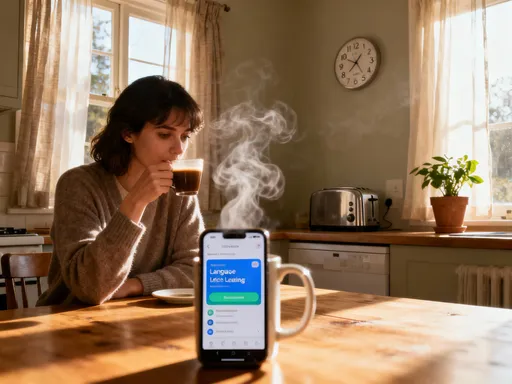
I remember sitting at the kitchen table, sipping my tea, and thinking: My curtains know when I’m not home. And someone else could know too. That realization hit me like a cold splash of water. I had traded a small daily worry for a much bigger one. What if a hacker accessed that data? What if they used it to figure out when my house was empty? A friend once joked, “So your curtains are telling hackers when you’re away?” At the time, I laughed it off. But later, I realized it wasn’t a joke at all. I had invited technology into my home without asking how it protected me.
This isn’t just about curtains. It’s about the entire smart home industry. So many devices are designed for ease, not safety. They collect data, send it to the cloud, and promise features without transparency. I don’t blame the companies—I get it, cloud processing enables smarter responses. But as a mom, as a homeowner, as someone who values privacy, I couldn’t accept that trade-off. I wanted smart features, yes, but not at the cost of my family’s safety. That’s when I decided to rebuild my system from the ground up—with security as the foundation, not an afterthought.
How I Secured My System—Without Losing Any Features
I didn’t want to give up the smart features I loved. I just wanted to keep them private. So I switched to a local-control system—one where all the data stays inside my home network. No cloud storage. No third-party access. The curtain motor connects directly to my home hub, and all the scheduling, learning, and automation happens on a device in my basement. It’s like having a personal assistant who never leaves the house and never shares your secrets.
The setup was easier than I expected. I chose a brand that supports on-device intelligence, meaning it learns my habits without sending data online. It knows when I usually wake up, when I leave, how long I stay out—all without ever connecting to a server. If there’s a traffic delay, my GPS still triggers the system, but the information is processed locally. Even my two-factor authentication is handled within the network, just like I do for my online banking. The difference? I’m not relying on a company’s promise of security. I’m in control.
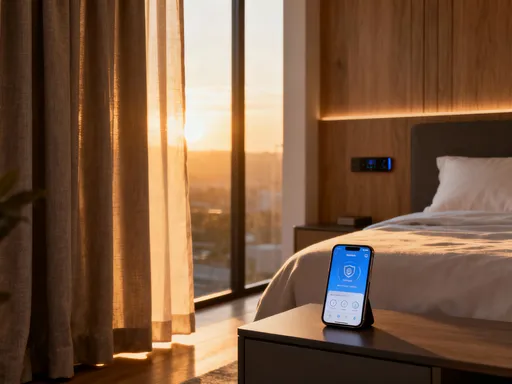
And the best part? I didn’t lose any functionality. My curtains still open with the sunrise. They still adjust when my schedule changes. They still close when I leave the driveway. The only thing that changed is where the data lives—and who can access it. Now, even if someone gets into my Wi-Fi (which I’ve also secured with strong passwords and network segmentation), they can’t pull my routine from some remote server. My patterns stay where they belong: at home. That peace of mind is worth more than any feature.
A Day in My Life: How It All Comes Together
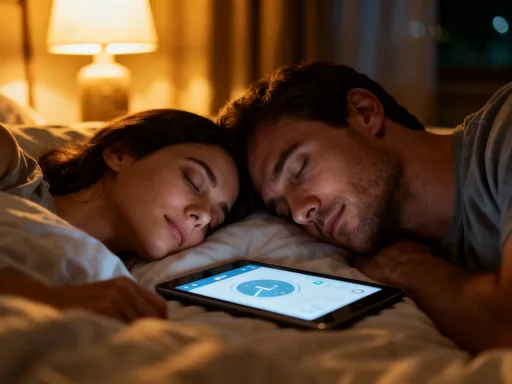
My mornings used to be a blur of rushing, forgetting, and stress. Now, they feel different. Calmer. More intentional. When my alarm goes off, the curtains begin to open slowly, letting in a soft wash of morning light. It’s not jarring. It’s gentle, like the sun is saying, “It’s okay. You’ve got time.” I don’t have to fumble for a switch or remember to close them before I leave. They’re already working for me.
If I’m heading to the office, the system knows. As soon as my car pulls out of the driveway, the living room and bedroom curtains close automatically. No more worrying about who might see inside. On days I work from home, they stay open longer, adjusting throughout the day to balance light and privacy. I don’t think about them. I just live.
And during my commute? I’m not thinking about my house at all. That’s the real win. For years, I carried this low-level anxiety—did I lock the door? Did I close the blinds? Now, I can focus on the road, on my podcast, on my thoughts. I’m not managing my home remotely. I’m present in my own life. That shift—from constant checking to quiet confidence—has changed everything. It’s not just about curtains. It’s about trust. I trust my home to protect itself. I trust the technology to work without betraying me. And I trust myself to let go.
More Than Curtains: A New Kind of Peace
This small change—automating my curtains with security in mind—has given me something I didn’t know I was missing: mental space. I’m not carrying the weight of forgotten tasks. I’m not second-guessing my routines. My home feels like a true partner, not a checklist. And knowing that my data is safe makes the technology feel trustworthy, not threatening.
For women like me—juggling work, family, and the endless to-do list—this isn’t about having the fanciest gadgets. It’s about creating a life that flows. It’s about removing the little stresses that pile up and drain us. A smart home shouldn’t add complexity. It should simplify. It should protect. It should help us feel more in control, not less.
When I tell friends about my setup, they often say, “I could never figure that out.” But you don’t need to be a tech expert. You just need to start with what matters most—your safety, your peace, your time. Find tools that respect your privacy. Choose systems that work quietly in the background. And don’t accept convenience at the cost of security. Because the best technology isn’t the one that does the most. It’s the one that lets you forget it’s there—while still making your life better.
So if you’re tired of running back to close the curtains, if you’re tired of wondering who might be watching, if you’re tired of carrying the mental load of a home that doesn’t help you—consider this: a smarter morning is possible. Not because of magic, but because of thoughtful, secure technology that finally feels like it’s on your side. It’s not about living in the future. It’s about living with less worry, one quiet morning at a time.