Tired of Arguing Over Bedtime Routines? This Smart Fix Changed Our Household
How many times have you whispered, “I’m not tired yet,” while your partner is already snoring? Or woken up aching because the bed just didn’t feel right? I used to dread bedtime—it felt like another source of stress in our busy home. Then we tried something unexpected: a smart mattress that adjusts to each of us. It didn’t just improve our sleep; it brought calm to our evenings and helped us sync our schedules in ways I never expected. This isn’t about fancy tech—it’s about finally getting rest, together.
The Bedtime Battle No One Talks About
Let’s be honest—bedtime in most homes isn’t the peaceful retreat it’s supposed to be. For years, my husband and I danced around each other in the dark, one of us too warm, the other too cold, someone always shifting, readjusting, kicking off blankets or pulling them back. I’d lie there, frustrated, thinking, “Why can’t we just both be comfortable?” And then there was the schedule mismatch. I’m a night owl. He’s been asleep by 10:30 since college. I’d come to bed late, careful not to wake him, only to lie awake, restless, while he slept soundly beside me. By morning, I’d feel drained, and he’d wonder why I was so irritable. It wasn’t anyone’s fault—we just weren’t in sync.
And it wasn’t just us. So many women I talk to share the same story. One partner wants quiet and early bedtime; the other needs time to unwind after a long day. Kids’ routines, work stress, screens, caffeine—it all piles up. But the real issue? The bed itself. We spend about a third of our lives in it, yet so many of us sleep on a mattress that doesn’t truly support us. We accept back pain, neck stiffness, hot flashes at 2 a.m., as if they’re just part of adulting. But what if they don’t have to be? What if the solution isn’t more willpower or earlier showers, but a change in where we rest our heads?
That’s when I started wondering: why do we invest so much in our kitchens, our living rooms, even our laundry rooms—but treat the bedroom like an afterthought? Poor sleep doesn’t just make us tired. It affects our mood, our focus, our patience with our kids, our ability to manage daily tasks. It chips away at our relationships. We stop connecting. We stop listening. We become reactive instead of responsive. And yet, we rarely talk about it. It’s like we’ve all agreed to suffer quietly, assuming this is just how marriage, motherhood, and middle age feel. But I was done with that. I wanted more. We both did.
How a Smart Mattress Became Our Family’s Peacekeeper
So, when a friend mentioned she’d switched to a smart mattress, I was skeptical. “Smart?” I thought. “Like my phone? In my bed?” But she wasn’t talking about apps or notifications. She was talking about comfort. Real, deep, personalized comfort. A mattress that could adjust to each person’s body, temperature, and sleep style—separately, on the same bed. That caught my attention.
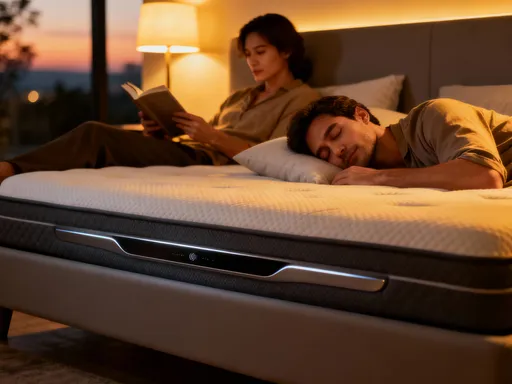
Here’s how it works: the mattress has sensors that detect your movements, your temperature, even your breathing. It learns your preferences over time. And the coolest part? Each side can be customized. So while I like a softer feel and a cooler setting, my husband can have his side firmer and a bit warmer—no arguments, no compromises. It adjusts automatically throughout the night, responding to how your body shifts. No buttons, no remotes. It just … works.
The first night, I didn’t expect much. I figured it would feel like any other new mattress—a little better for a few weeks, then back to normal. But I woke up the next morning and realized something was different. I wasn’t sore. I didn’t have that dull ache in my lower back. And my husband said the same. “I slept through the night,” he said, surprised. “I didn’t wake up once.” That was huge for him. For me, it was the temperature control. No more waking up sweaty, kicking off the covers, then freezing an hour later. The mattress kept me at just the right level all night long.
But beyond the physical comfort, there was an emotional shift. Bedtime stopped feeling like a negotiation. We didn’t have to argue about the thermostat or the blankets. We didn’t have to tiptoe around each other. We could just … be. And that changed everything. For the first time in years, our bedroom felt like a shared sanctuary, not a battleground.
From Bedtime to Schedule Sync: The Ripple Effect
You wouldn’t think a mattress could change your whole day, but it did. When we started sleeping better, we started waking up better. Mornings used to be chaotic—rushing, yelling, forgotten lunches, misplaced shoes. Now, we have more energy. We move slower, talk more, actually eat breakfast together. My kids noticed. “Mom, you seem calmer,” my daughter said one morning. And I was. Because I wasn’t running on three cups of coffee and sheer willpower.
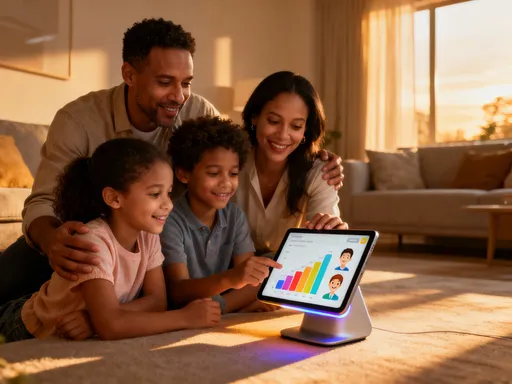
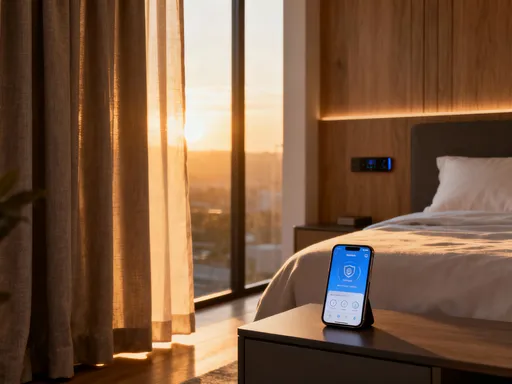
The mattress also comes with a sleep tracker—nothing invasive, just gentle monitoring that shows your sleep stages, heart rate, and restfulness. At first, I thought it was just a gimmick. But after a few weeks, I started seeing patterns. I was consistently going to bed late, even on school nights. My husband, on the other hand, was falling asleep quickly but waking up briefly around 3 a.m. The data didn’t judge us. It just showed us what was happening.
That sparked real conversations. “I didn’t realize I was staying up so late,” I admitted. “I guess I’m using my phone as a way to unwind, but it’s keeping me up.” He said, “I didn’t know I was waking up. I just thought I felt tired in the morning.” So we made small changes. I started putting my phone in another room an hour before bed. He adjusted his evening water intake. We didn’t force it. We just paid attention.
And slowly, our schedules started to align. Not perfectly—I still like to read late, and he still prefers early nights—but we found a rhythm. We began winding down together, even if we didn’t fall asleep at the same time. We’d talk, listen to soft music, or just lie there in the dark, quiet. That time together, without screens or stress, became something we both looked forward to.
Planning Family Time Without the Fight
With better sleep came more clarity. I started thinking about how we spend our time—not just at night, but during the week. We were busy, but not really connected. Activities were scheduled, but family time felt scattered. So I borrowed an idea from productivity coaching: block time planning. It sounds fancy, but it’s simple. You divide your week into blocks of time for different priorities—family, couple, personal, work.
We started small. Every Tuesday evening, we put “family walk” on the calendar. No phones, no agenda—just us, the dog, and the neighborhood. At first, the kids groaned. “Do we have to?” But within a few weeks, they were the ones reminding us. “It’s walk night!” Sunday mornings became “quiet coffee” time for my husband and me. We’d get up early, before the kids, and just talk. No to-do lists, no planning—just being together.
The key? We used a shared digital calendar. Nothing complicated—just a free app that syncs across our phones. We color-coded the blocks: blue for family, red for couple, green for personal. Seeing it visually helped us honor each other’s needs. If I had a yoga class on Thursday night (my green time), he knew not to schedule something for us. If he had a work dinner, I didn’t plan a family movie night. It wasn’t about control—it was about respect.
And guess what? We fought less. Not because we were avoiding conflict, but because we weren’t competing for time. We knew when we’d be together and when we’d have space. That predictability brought peace. Our kids felt more secure. My husband said he felt “seen.” And I realized how much I’d been neglecting myself, saying yes to everyone else and leaving nothing for me.
Tech That Understands Real Life
I know “smart tech” can sound overwhelming. We already have too many devices, too many notifications, too many things demanding our attention. But the best technology doesn’t add to the noise—it reduces it. The smart mattress isn’t something I have to manage. I don’t open an app every night. I don’t tweak settings constantly. It learns. It adapts. It just … takes care of me.
It’s like having a thoughtful roommate who knows exactly when to turn down the lights, pull up the blanket, or adjust the temperature—without being asked. It doesn’t need praise. It doesn’t need maintenance. It just works quietly in the background, giving me back something priceless: rest.
And that’s the kind of tech I can get behind. Not the kind that shows off, but the kind that supports. Not the kind that demands your time, but the kind that gives it back. The mattress doesn’t replace human connection—it makes space for it. When we’re not exhausted, we’re more present. When we’re not in pain, we’re more patient. When we’re not fighting over the thermostat, we’re more likely to hold hands in the dark.
That’s what I mean by tech that understands real life. It doesn’t try to fix everything. It just removes one small obstacle—in this case, uncomfortable sleep—so you can focus on what really matters: your family, your health, your joy.
Building a Routine That Sticks
If you’re thinking, “This sounds great, but I could never stick to a schedule,” I get it. I felt the same way. We’re not perfect. Some weeks, the walk gets skipped. Sometimes, I still scroll too late. But the key is starting small and being kind to yourself.
Here’s what worked for us: pick one thing. One evening a week for family. One morning for yourself. Put it on the calendar. Treat it like an appointment with someone you love—because you are. You.
We also used the sleep data not as a report card, but as a compass. If I saw I’d been restless for three nights, I didn’t beat myself up. I asked, “What’s going on?” Maybe I was stressed. Maybe I needed to adjust my wind-down routine. The data helped me respond with compassion, not guilt.
And we built in grace. If plans changed, we moved the block. If someone was tired, we adjusted. We even started saying things like, “I know you’re tired—let’s save that talk for tomorrow.” That simple sentence saved us so many arguments. It acknowledged the moment without dismissing the need to connect.
Over time, these small choices became habits. The blocks didn’t feel forced. They felt like breathing room. And the better we slept, the easier it was to keep them. Rest became the foundation, not the afterthought.
Rest Is the Foundation of a Fuller Life
I used to think self-care meant face masks and bubble baths. Now I know it’s deeper than that. True self-care is creating a life where you can show up as your best self—for your family, your work, yourself. And it starts with rest. Not just sleep, but emotional rest. Mental rest. The kind of rest that comes from knowing you’re supported, understood, and valued.
Our smart mattress didn’t fix everything. But it fixed a piece of the puzzle that had been missing for years. It gave us comfort without compromise. It gave us space to reconnect. It gave us the energy to show up.
And here’s the beautiful part: we still don’t go to sleep at the same time. I still like to read late. He still turns in early. But now, we wake up together. Not because our schedules match perfectly, but because we’re both rested. We’re both ready. And that makes all the difference.
Because a well-rested family isn’t just healthier. We’re more patient. We’re more present. We’re more alive. And that’s not just a luxury—it’s a necessity. So if you’re tired of the bedtime battles, the aches, the exhaustion, I’d say this: look at your bed. Not as furniture, but as the heart of your home. Because when you rest well, everything else has a chance to heal, grow, and thrive. And that’s the kind of change that lasts.