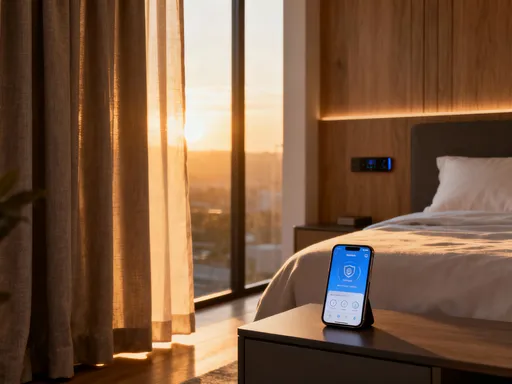
After Testing 8 Sleep Apps Together, This One Finally Improved Our Mornings and Our Connection
Sleepless nights used to define our evenings—tossing and turning, phones glowing in the dark, both of us frustrated but silent. We tried everything: herbal tea, blackout curtains, even matching bedtimes. But it wasn’t until we found the right sleep app—used *together*—that something shifted. Not just our rest, but how we talk, listen, and show up for each other each day. What started as a quest for better sleep became something deeper: a shared rhythm that quietly transformed our relationship. It wasn’t magic, and it wasn’t overnight. But slowly, night by night, we began to feel more like partners again—not just roommates surviving on coffee and quiet resentment.
The Night We Realized Sleep Was Straining Our Connection
It happened on a Tuesday—nothing special, just another gray morning after another broken night. I reached for my phone before my eyes were fully open, scrolling through emails like my worth depended on it. My partner, already in the kitchen, dropped a spoon with a clatter and muttered, 'Can you *please* not do that right when you wake up?' I snapped back, 'I’m just checking one thing,' but the tension was already there, thick and familiar. We weren’t mad at each other, exactly. We were just… raw. And we both knew it.
That moment cracked something open. We sat down later that evening, tired but determined, and admitted what we’d been avoiding: our sleep problems weren’t just individual struggles. They were a shared burden, silently eroding our patience, our humor, even our ability to listen. When one of us tossed and turned, the other stayed alert, half-awake with worry or irritation. When someone woke up groggy, the mood rippled through the whole house—shorter tempers, forgotten chores, less eye contact. We weren’t just sleep-deprived; we were emotionally drained, and it was showing in every interaction.
What surprised us most was how unaware we’d been. We’d blamed busy schedules, work stress, even the dog’s early barking. But the real culprit was hiding in plain sight: the cumulative effect of poor sleep on our emotional availability. Research shows that even mild sleep deprivation reduces activity in the prefrontal cortex—the part of the brain responsible for emotional regulation and decision-making. In simpler terms, we weren’t being difficult on purpose. We were just too tired to be our best selves. Recognizing that was both humbling and freeing. It wasn’t about fixing each other. It was about fixing the foundation—our rest—so we could show up more fully, not just as spouses, but as teammates.
Why Most Sleep Apps Fail Couples (Even When They Work for Individuals)
We started our search with high hopes. The market is flooded with sleep apps—ones that track your heart rate, analyze your snoring, play soothing sounds, or guide you through meditation. Some even promise to optimize your sleep cycle using AI. And many of them work—for individuals. But when you’re sharing a bed, a room, and a life, the equation changes. What helps one person can disturb the other. And what feels personal can quickly become relational.
Take soundscapes, for example. One of us loves rain sounds—gentle, steady, calming. The other finds them monotonous and slightly eerie, like being stuck in a never-ending storm. We tried apps that let us pick our own tracks, but that meant two different sounds playing from one phone, creating a jarring audio clash. Or worse—using headphones, which made us feel isolated, like we were retreating into separate worlds instead of winding down together. Then there were the sleep scores. One app gave me a 92 one night after I barely moved, while my partner got a 63 despite feeling more rested. That led to unspoken tension—'Why am I doing worse when I feel better?'—turning a tool meant to help into a source of comparison and quiet competition.
And let’s talk about timing. One of us is a natural early riser; the other needs a full eight hours and then some. Apps that push strict bedtimes or wake-up alarms didn’t account for that. They treated sleep like a one-size-fits-all routine, ignoring the reality of shared lives with different rhythms. Even the well-meaning nudges—'Time to wind down!'—felt like nagging when they popped up for only one of us. We began to see a pattern: most sleep tech is designed for solo users, optimizing for data and performance, not for connection or compromise. They’re great if you live alone or don’t mind sleeping in silence. But if you want to feel closer, not just sleep better, they often miss the mark.
The Unexpected Discovery: A Sleep App That Encourages Us to Sync, Not Just Sleep
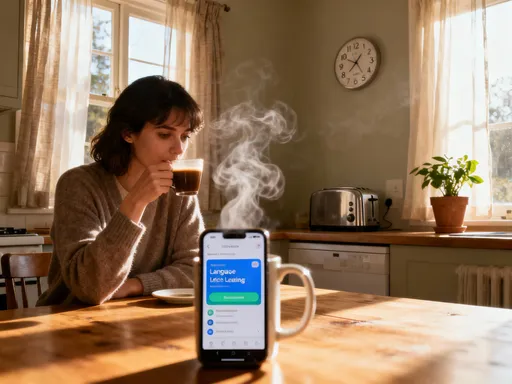
Then we found it—not through ads or influencer posts, but through a quiet mention in a parenting forum. Someone described an app that didn’t just track sleep but invited couples to participate in it together. Skeptical but curious, we downloaded it on a Sunday night, half-expecting another forgettable experiment. But from the first evening, it felt different.
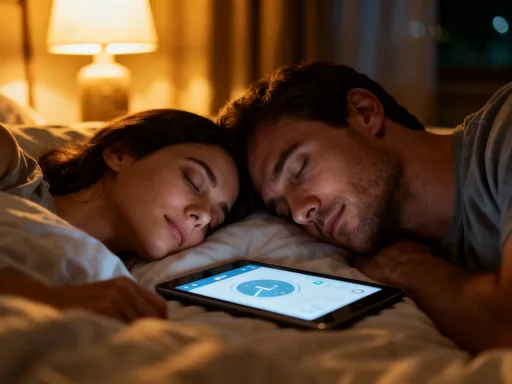
Instead of launching straight into sleep tracking, the app asked us a simple question: 'How are you feeling tonight?' We each tapped our mood—tired, stressed, hopeful—and the app responded with a shared wind-down routine. It wasn’t just music or meditation. It included a two-minute breathing exercise we could do side by side, synced to a gentle pulse on the screen. Afterward, it asked, 'What’s one thing you appreciate about your partner today?' We laughed the first time—we hadn’t expected a gratitude prompt—but we answered anyway. That small exchange, just 90 seconds long, changed the tone of our bedtime. It wasn’t about escaping from each other anymore. It was about arriving together.
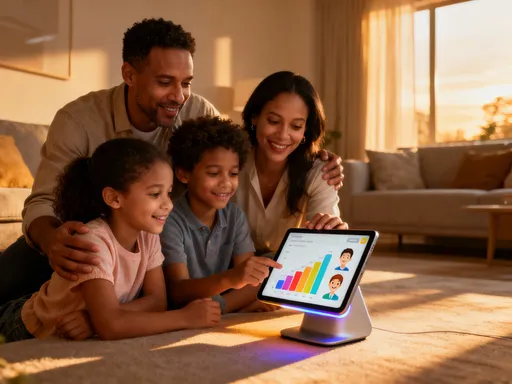
The app also introduced a feature called 'Sleep Sync,' which didn’t try to force identical schedules but helped us find overlap—those 30 to 60 minutes when we could both be present and winding down. It suggested shared activities: dimming the lights together, swapping one screen time for a short conversation, or listening to a couple-friendly story instead of scrolling separately. Even the tracking was designed for two—showing our sleep patterns side by side, not in competition, with insights like 'You both fell asleep faster when you did the breathing exercise' or 'Your rest improved when you put phones away 20 minutes earlier.'
What made the difference wasn’t the technology itself, but the intention behind it. This app wasn’t trying to turn us into perfect sleepers. It was trying to turn bedtime into a ritual of care. And slowly, that shift began to ripple outward. We started looking forward to the evening again—not as a battle to survive, but as a chance to reconnect.
How Price Comparison Platforms Led Us to the Right App (Without the Overwhelm)
Let’s be honest—finding that app didn’t happen in a flash. We tested eight different ones over three months. Some were free but full of ads. Others cost $15 a month and offered features we’d never use. The real challenge wasn’t just cost—it was confusion. How do you compare apps when they all claim to 'revolutionize your sleep'? That’s when we realized we needed a smarter way to shop.
We turned to price comparison platforms—not just for cost, but for filtering by what actually mattered to us as a couple. We used filters like 'couples features,' 'shared tracking,' 'no headphones required,' and 'relationship-focused content.' We also prioritized long-term user reviews, especially from people who’d used the app for over six months. That helped us avoid the honeymoon-phase hype and see how well the app held up in real life. One app had glowing five-star reviews at first, but by month four, users complained it became repetitive and rigid. Another had great soundscapes but no couple-oriented tools at all.
The platform also showed us subscription flexibility—monthly, annual, or lifetime options—and whether free trials were available. That was crucial. We didn’t want to commit to something expensive without testing it together. We found our current app during a limited-time discount, and the comparison tool flagged it as 'top-rated for couples' based on aggregated feedback. It wasn’t the cheapest, but it offered the best value for our needs. More importantly, the platform helped us feel in control. Instead of being overwhelmed by choice, we could focus on what truly mattered: connection, ease of use, and long-term sustainability.
Looking back, using a price comparison tool didn’t just save us money—it saved us time and emotional energy. We avoided the frustration of jumping from app to app, each one leaving us more discouraged. Instead, we made a thoughtful, informed decision. And that process, in itself, became part of our journey toward better rest and better communication.
Building a Shared Sleep Routine: Small Steps That Made a Big Difference
Once we found the right app, the real work began—not in downloading features, but in building habits. We didn’t overhaul our lives overnight. Instead, we focused on tiny, consistent changes that fit into our existing routine. The app helped, but it was our willingness to show up—together—that made the difference.
We started with the 'Goodnight Check-In.' Every evening, before turning off the lights, we answered three quick prompts: 'How tired are you?' 'What’s on your mind?' and 'One thing I appreciated about you today.' At first, it felt a little forced, like homework. But within a week, it became something we looked forward to. It wasn’t about solving problems or having deep conversations—just acknowledging each other’s presence. When one of us said, 'I’m stressed about tomorrow’s meeting,' the other could respond with a simple 'I’ve got you,' and that small exchange lightened the load.
We also customized our alarms. Instead of jarring beeps, we chose soft, natural sounds—birds chirping, ocean waves—that played gently for both of us. The app’s 'Morning Sync' feature then prompted us with a shared question: 'What’s one intention for today?' We’d discuss it over coffee, not because we had to, but because we wanted to. Those few minutes set a tone of collaboration, not chaos. We weren’t just waking up—we were waking up *together*.
Another small but powerful habit was the 'Tech Curfew.' The app sent a joint reminder 30 minutes before bedtime to put our phones away. At first, we resisted—'Just five more minutes!'—but over time, that boundary created space for real interaction. We’d talk, read, or just sit in silence, holding hands. The absence of screens made the room feel calmer, safer. And when we did use the app, it was a shared activity, not a solo escape. These weren’t grand gestures. But over weeks and months, they added up to something profound: a rhythm that felt intentional, not accidental.
When Tech Meets Intimacy: How Better Sleep Opened Space for Real Talk
Here’s what we didn’t expect: better sleep didn’t just make us less tired. It made us more *present*. With more rest came more emotional bandwidth—the kind that lets you listen without planning your response, or speak without fear of snapping. Conversations we’d been avoiding for months began to happen naturally.
One evening, after a particularly restful night, my partner said, 'I’ve been feeling a bit invisible lately—like I’m always the one handling the bills and the schedules.' I didn’t get defensive. I didn’t change the subject. I just said, 'I hear you. That’s not fair. How can I help?' That conversation led to a shared calendar, a better division of chores, and, more importantly, a renewed sense of teamwork. It wasn’t the app that made that possible. It was the fact that we were both well-rested enough to have the talk without it turning into a fight.
Science backs this up. Sleep improves emotional regulation, reduces reactivity, and enhances empathy. When we’re tired, our brains default to survival mode—quick judgments, emotional bluntness, withdrawal. But when we’re rested, we’re more capable of nuance, patience, and connection. We started noticing small things: a sigh, a hesitation, a fleeting look of worry. And instead of brushing it off, we’d say, 'You okay?' Because we had the energy to care.
We also began to dream together—not just in sleep, but in life. With clearer minds, we talked about long-term goals, travel plans, even how we wanted to grow older together. Those conversations had been on hold for years, buried under exhaustion and daily survival. Now, they felt possible again. The app didn’t cause these changes, but it created the conditions for them. It gave us the space, the rhythm, and the tools to reconnect—not just as sleep partners, but as life partners.
A New Kind of Relationship Upgrade: Rest, Rhythm, and Being Present
If you’d told us a year ago that a sleep app could transform our relationship, we’d have laughed. We thought connection came from grand gestures—surprise dates, heartfelt letters, weekend getaways. But what we’ve learned is that the deepest changes often come from the smallest, most consistent choices. It wasn’t the app that saved our sleep or our bond. It was what we decided to *do* with it—together.
Today, our mornings are quieter. We still have busy days and stressful moments, but we face them with more calm, more clarity, more kindness. We listen better. We argue less. We laugh more—real, belly-deep laughs that start over burnt toast and end with shared stories from the day. Our bedroom, once a place of silent tension, has become a sanctuary of connection. And it’s not because we’re perfect. It’s because we’re present.
This journey taught us that technology, when used with intention, can support not just our health, but our humanity. It can help us slow down, tune in, and show up for the people we love. We didn’t just find a better way to sleep. We found a better way to live—together. And if you’re lying awake tonight, feeling the quiet distance between you and someone you love, know this: it might not be about love. It might just be about rest. And sometimes, the smallest shift—like a shared breath, a simple check-in, or a gentle alarm—can be the start of something beautiful.